

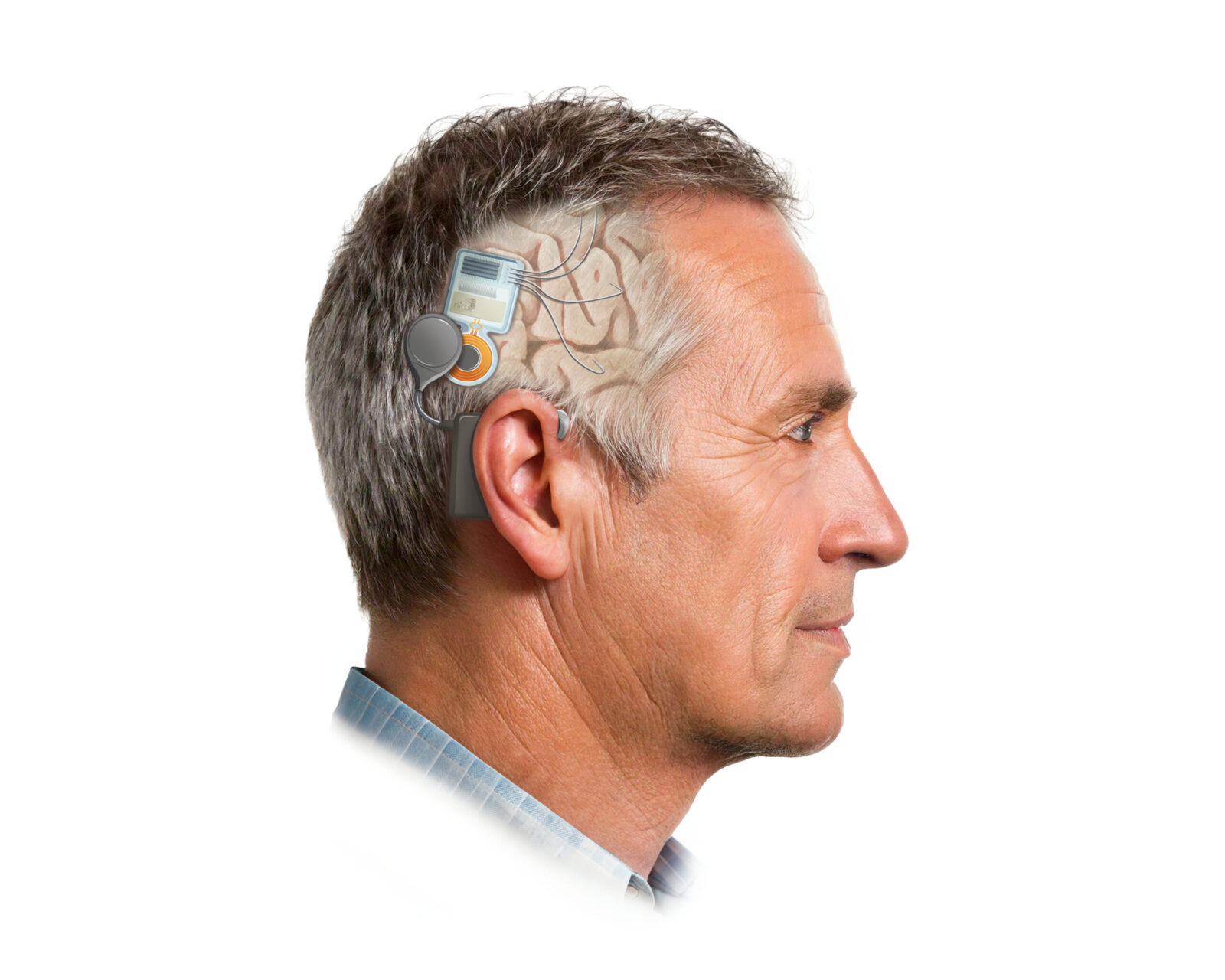
ALLSTON, Mass. — Nia Therapeutics has published peer-reviewed research validating its Smart Neurostimulation System, a wireless, implantable brain-computer interface designed for closed-loop treatment of memory disorders.
The study, published in the journal Brain Stimulation, reports the first in vivo validation of the system, which is capable of recording neural activity from 60 channels across four brain regions. The expanded sensing capability represents a significant increase over currently available adaptive brain implants, which typically record from only a handful of channels.
According to the company, the broader recording capacity is intended to reflect the distributed nature of memory, which emerges from coordinated activity across multiple brain networks rather than a single focal site.
“Most brain implants were developed for conditions in which a localized abnormal signal drives symptoms,” said Michael J. Kahana, Ph.D., co-founder and chief executive officer of Nia Therapeutics. “Decades of research show that memory depends on coordinated activity across distributed networks. The SNS was engineered to detect these patterns and respond with personalized stimulation.”
The validation study was conducted in freely moving large animals and assessed the system’s performance over chronic implantation. In a study involving three sheep, the device demonstrated stable neural recording, real-time decoding of brain states, and programmable stimulation over time.
Machine-learning classifiers used with the system were able to distinguish movement from stillness with high accuracy, maintaining consistent performance throughout the implantation period. Researchers also observed predictable, dose-dependent changes in neural activity when stimulation parameters were adjusted, confirming that the system could reliably modulate physiological signals. Histological analysis showed no adverse tissue response, with findings comparable to commercially available control leads.
Nia said the results demonstrate that the system can chronically record distributed neural activity, decode behaviorally relevant brain states, and deliver stimulation with consistent effects, capabilities viewed as essential for future closed-loop neurostimulation therapies.
The Smart Neurostimulation System builds on more than a decade of federally funded human memory research supported by the Defense Advanced Research Projects Agency and the National Institutes of Health. In prior studies using externalized research systems, researchers recorded intracranial brain activity from epilepsy patients performing memory tasks and showed that machine-learning models could predict whether newly learned information would later be remembered.
In earlier sham-controlled clinical experiments, brief bursts of electrical stimulation delivered during periods of poor memory encoding improved delayed recall by about 20 percent, while stimulation delivered at random times showed no benefit. Those studies established the therapeutic concept underlying Nia’s approach but relied on systems not suitable for long-term implantation.
“This publication shows that the core capabilities required for memory-guided stimulation — high-density sensing, real-time decoding, and programmable neuromodulation — can be delivered in a fully implantable, wireless system,” said Daniel S. Rizzuto, Ph.D., co-founder and president of Nia Therapeutics.
The company is targeting memory impairment associated with conditions such as traumatic brain injury and age-related cognitive decline. While recent drug therapies for early Alzheimer’s disease can slow disease progression, they do not restore lost cognitive function. Nia said its technology is intended to complement existing treatments by directly improving memory through targeted neuromodulation.
Nia Therapeutics plans to begin first-in-human studies, with regulatory submissions expected in 2026. The initial clinical trial is expected to focus on patients with memory loss resulting from moderate to severe traumatic brain injury.