

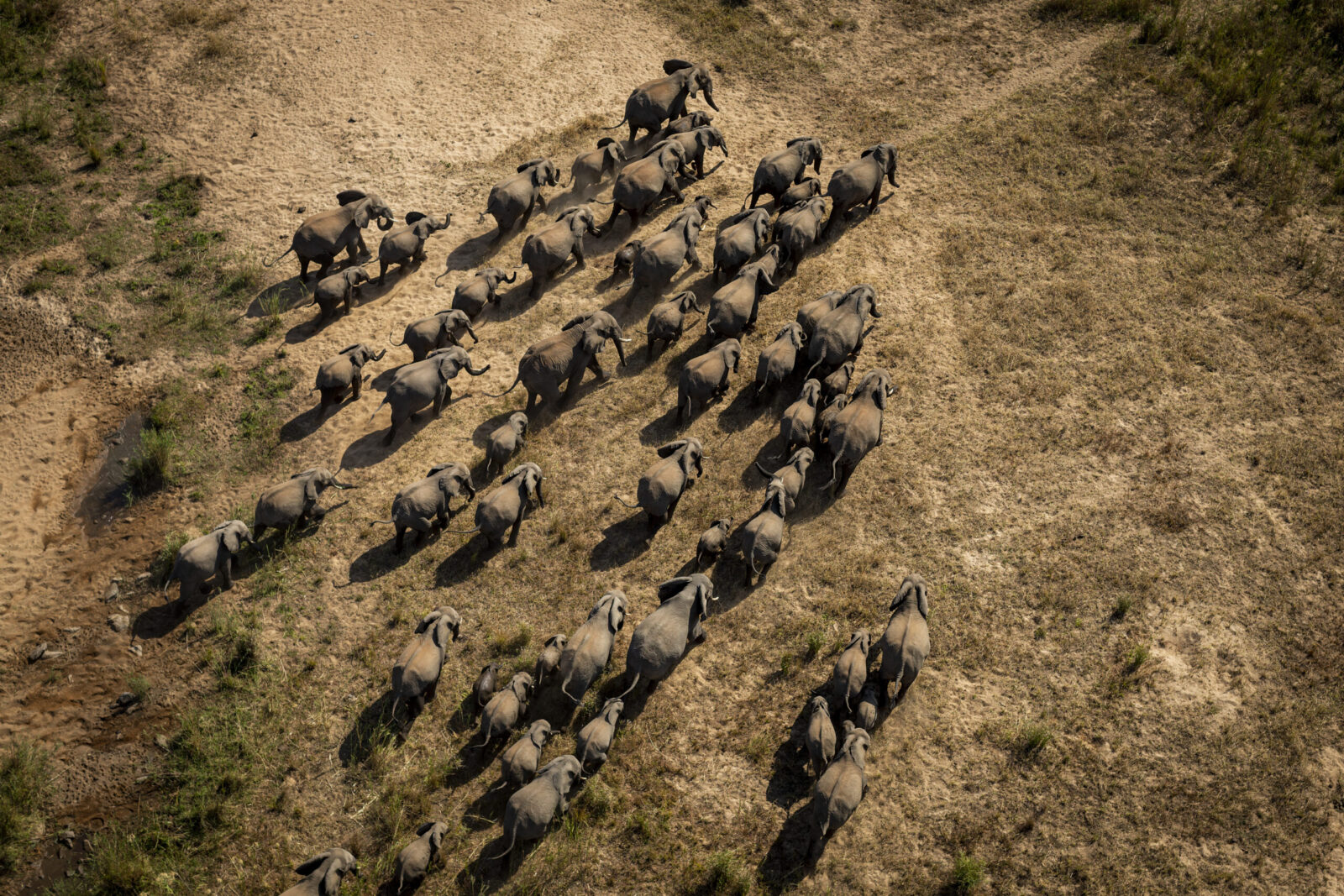
YARMOUTH PORT, Mass. — The International Fund for Animal Welfare is calling for a science-driven approach to elephant conservation as debates continue over whether African elephant populations are growing too large in some regions or declining toward collapse in others.
The organization said conservation strategies should focus on long-term ecological data, habitat connectivity, and community engagement rather than relying on simplified population estimates.
“Elephant dynamics cannot be reduced to a single population figure,” said Azzedine Downes, President and CEO of the International Fund for Animal Welfare. “What matters most is the availability of habitat connectivity, if whether protections are put in place from risks such as poaching, and whether the communities living alongside wildlife are actively being supported.”
Historical estimates suggest that elephant populations once numbered in the millions before the colonial era but have declined dramatically over time. The Pan-African Great Elephant Census, one of the most comprehensive surveys conducted, recorded 352,271 savannah elephants across 18 countries and documented a 30 percent decline between 2007 and 2014, largely due to poaching.
However, researchers say population trends vary widely across the continent. Long-term ecological research conducted by the Conservation Ecology Research Unit at the University of Pretoria tracked 50 elephant populations over 25 years and found that many were stable, with some populations increasing. A broader analysis of more than 100 populations suggested conservation strategies should prioritize ecological balance and landscape connectivity rather than focusing solely on total numbers.
Some conservationists have expressed concerns that growing elephant populations could damage ecosystems in certain areas, particularly in fenced or isolated reserves. Researchers say the primary solution is improving habitat connectivity by linking protected areas through wildlife corridors that allow elephants to move naturally across larger landscapes.
Elephants reproduce slowly compared with many other species. Females typically begin reproducing between the ages of 12 and 13 and give birth approximately once every four years. Even under ideal conditions, populations rarely grow by more than about five percent annually. When adult elephants are lost to poaching, the age structure of herds can collapse, and recovery may take decades, with some studies suggesting it can take more than 20 years for disrupted populations to stabilize.
Research also indicates that many protected areas in Africa could support more elephants than they currently hold. However, pressures including poaching, habitat fragmentation, and human-wildlife conflict often prevent populations from reaching their ecological potential.
The findings of the late Professor Rudi van Aarde and his team at the University of Pretoria helped shape the International Fund for Animal Welfare’s Room to Roam initiative. The program focuses on reconnecting fragmented habitats across East and southern Africa while working with local communities to support coexistence between people and wildlife.
IFAW said the long-term protection of African elephants will depend on protecting remaining populations, restoring landscape connectivity, and strengthening partnerships with communities living near wildlife habitats.