

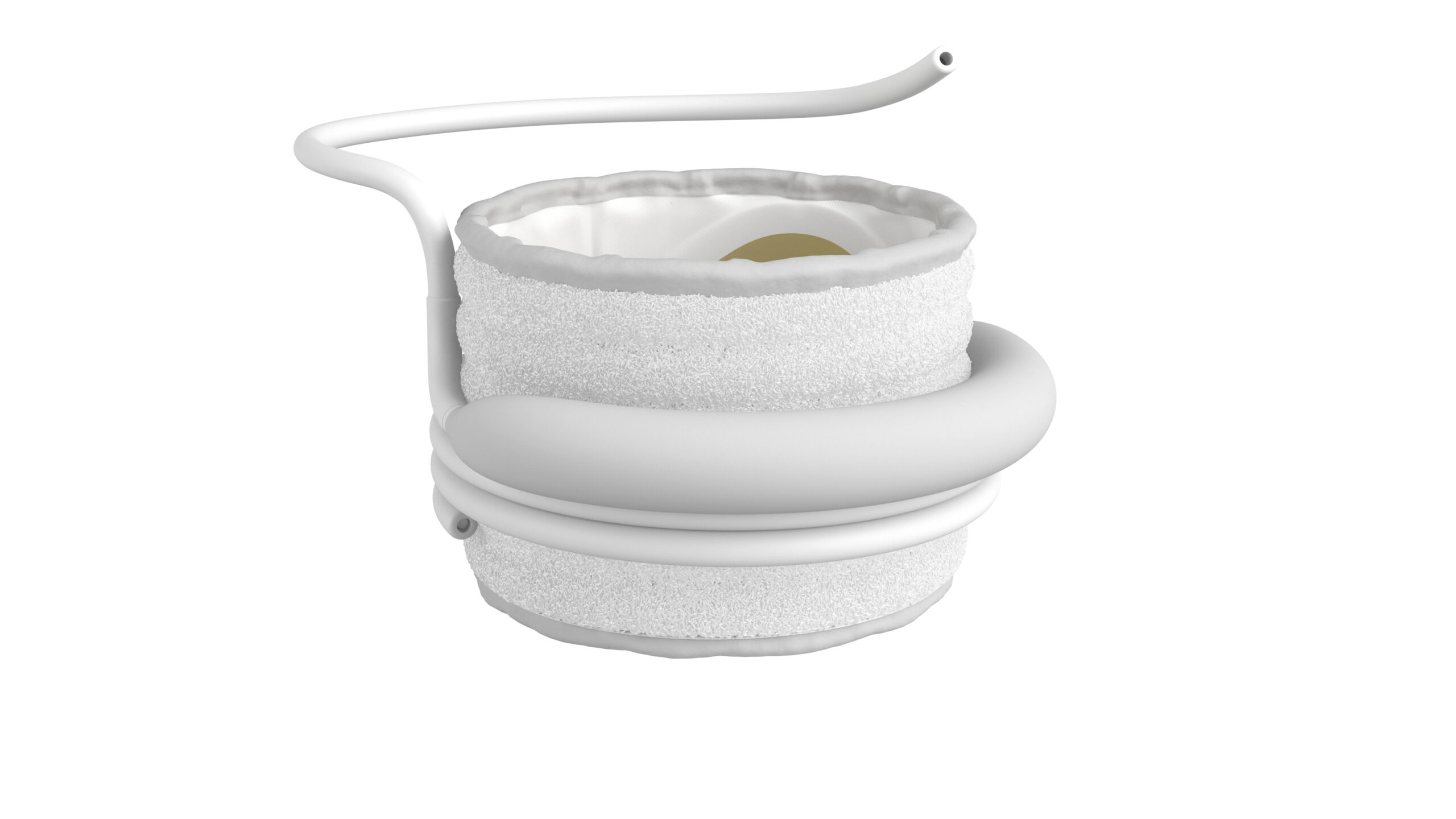
IRVINE, Calif. — Edwards Lifesciences said the U.S. Food and Drug Administration has approved its SAPIEN M3 transcatheter mitral valve replacement system, making it the first transcatheter therapy using a transseptal approach cleared in the U.S. for the treatment of mitral regurgitation.
The SAPIEN M3 system is indicated for patients with symptomatic moderate-to-severe or severe mitral regurgitation who are deemed unsuitable for open-heart surgery or transcatheter edge-to-edge repair by a multidisciplinary heart team. It is also approved for patients with symptomatic mitral valve dysfunction associated with mitral annular calcification, including severe mitral stenosis or combined mitral regurgitation and stenosis, who are not candidates for surgery or repair-based therapies.
Mitral regurgitation is one of the most common forms of valvular heart disease and can cause severe, life-threatening symptoms if left untreated. Many patients have historically been ineligible for existing treatment options, leaving a large population without effective therapy.
“Mitral regurgitation is very common among valvular heart diseases, and these patients often present with debilitating symptoms that are life-threatening and significantly diminish their quality of life,” said David Daniels, M.D., a cardiologist with Sutter West Bay Medical Group and structural heart section chief of Sutter’s Heart & Vascular Service Line. “Until now, many patients were unsuitable for available treatment options. The SAPIEN M3 system’s ability to provide a fully percutaneous mitral valve replacement that safely delivers near elimination of significant mitral regurgitation and meaningfully improves symptoms is a game-changer for these patients.”
The SAPIEN M3 procedure is performed entirely percutaneously and involves two steps: delivery of a docking system followed by implantation of the replacement valve. Both components are delivered through a steerable guide sheath inserted via the femoral vein, enabling complete replacement of the native mitral valve without open surgery.
FDA approval was supported by one-year data from the ENCIRCLE single-arm pivotal trial, which enrolled patients considered unsuitable for other treatment options. Results from the trial were presented in October 2025 and showed significant reductions in mitral regurgitation, with 95.7 percent of patients achieving minimal or no residual regurgitation. The study also demonstrated meaningful improvements in symptoms and quality of life.
“Over our more than 65-year history, Edwards has continued to push the boundaries of structural heart innovation,” said Daveen Chopra, corporate vice president of transcatheter mitral and tricuspid therapies at Edwards Lifesciences. “With the addition of mitral valve replacement to our portfolio of FDA-approved transcatheter therapies, we are expanding the treatable patient population in the U.S. The SAPIEN M3 system builds on the proven SAPIEN platform and is supported by strong one-year pivotal trial data.”
The SAPIEN M3 system previously received CE Mark approval in April 2025, becoming the first approved transfemoral transcatheter mitral valve replacement system globally. Edwards’ U.S. portfolio of FDA-approved transcatheter therapies also includes systems for mitral valve repair and tricuspid valve replacement.