

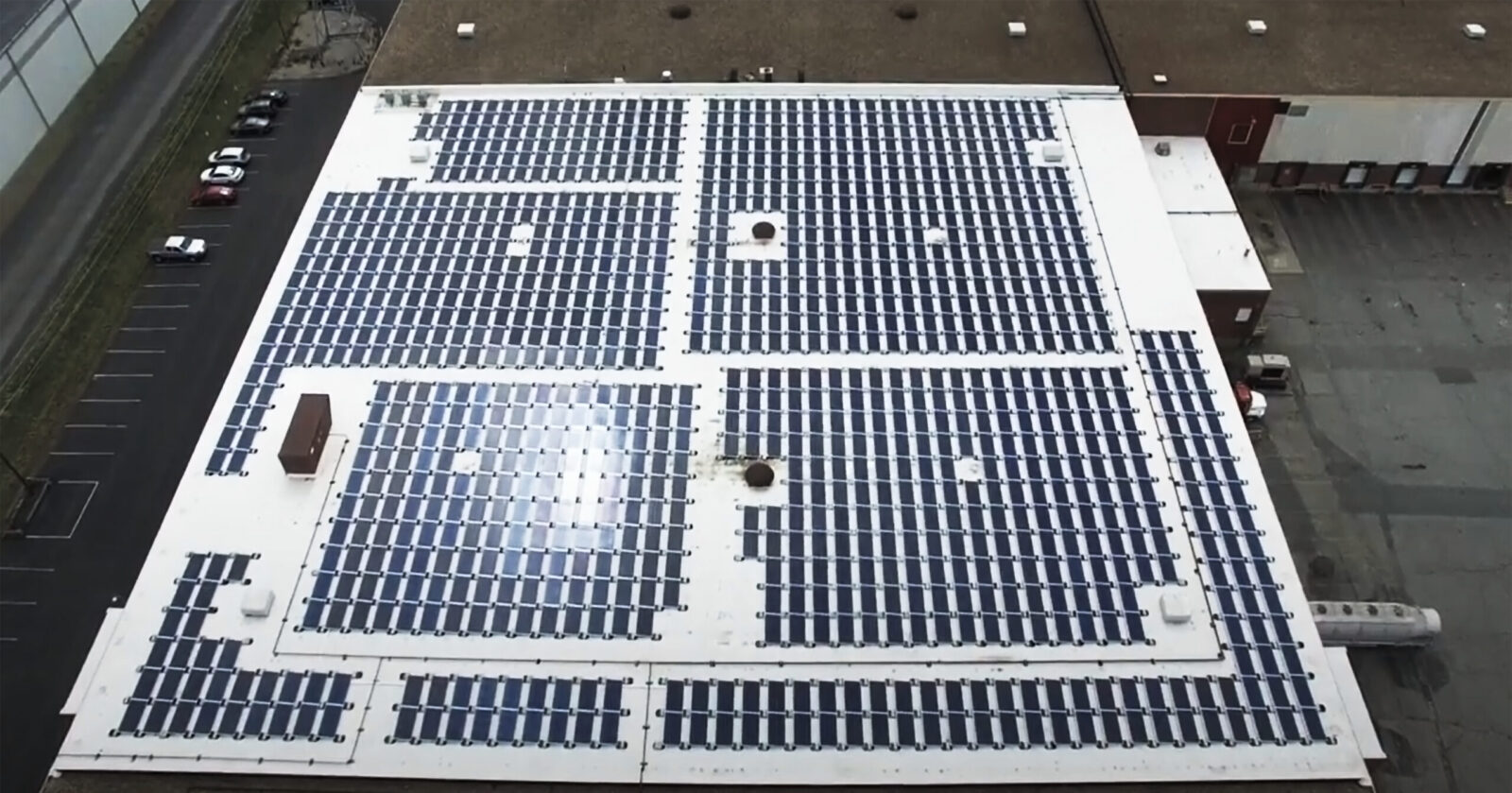
BOSTON, Mass. — Commercial property owners seeking new sources of revenue without committing capital may find an opportunity directly overhead. Solect Energy has published a new guide explaining how rooftop solar site leases allow commercial and industrial property owners to generate long-term income by leasing unused rooftop space for solar installations.
As property owners look for ways to strengthen net operating income and improve asset performance, rooftop solar site leases are emerging as a practical strategy for creating stable, non-operational revenue streams while leaving day-to-day business operations unaffected.
The article, titled “Rooftop Solar Site Leases: A New Revenue Stream for Commercial Property Owners,” outlines how third-party solar developers can convert otherwise unused rooftop space into a predictable income stream lasting 20 to 25 years.
Under a typical rooftop solar site lease, a solar developer leases the rooftop, finances and installs the solar energy system, and manages long-term operations and maintenance. Property owners maintain full ownership and control of their buildings while receiving regular lease payments. Because the solar system occupies rooftop space only, tenant operations, interior square footage, and parking areas remain unaffected.
“Rooftop solar site leases function much like a long-term tenant occupying otherwise unused space,” said Matt Shortsleeve, SVP of Policy & Marketing at Solect Energy. “For many property owners, it represents a practical way to generate stable income without capital investment or additional operational complexity.”
Properties most suitable for rooftop solar site leases often include industrial and warehouse facilities, flex and distribution centers, and large retail buildings with significant usable roof space and long-term site control.
The guide also discusses federal incentive considerations, including eligibility for the 30 percent federal Investment Tax Credit (ITC) under existing “Safe Harbor” provisions. According to the article, project timing can influence eligibility, development flexibility, and financial outcomes.