

BOSTON — Harrison.ai has received U.S. Food and Drug Administration 510(k) clearance for an artificial intelligence tool designed to triage acute infarcts on non-contrast CT brain scans, marking the company’s ninth FDA clearance and expanding its AI platform to cover 13 radiological findings.
The newly cleared technology is designed to identify suspected ischemic strokes on the first imaging scan typically performed in emergency stroke evaluation. Unlike many existing stroke AI tools that rely on CT angiography obtained later in the diagnostic process, Harrison.ai’s system analyzes non-contrast CT scans to help clinicians prioritize suspected stroke cases earlier in the workflow.
Acute infarcts are among the most difficult findings to detect on non-contrast CT imaging. The company’s system evaluates six vascular territories in the brain — including the anterior cerebral artery, middle cerebral artery, posterior cerebral artery, cerebellar, basilar and watershed regions — to identify signs of ischemic injury.
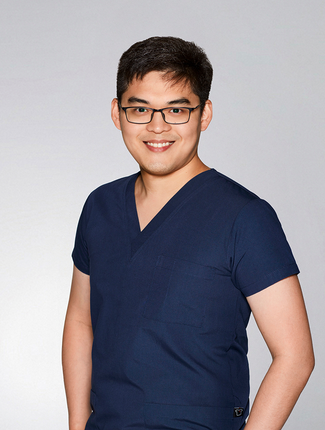
“Acute infarct on non-contrast CT is one of the hardest findings in radiology. Most radiologists will welcome the help in bringing these cases to the front of the queue,” said Dr. Jarrel Seah, Chief Medical Officer and practicing radiologist at Harrison.ai. “That’s why we felt it was important to build it.”
According to the company, the AI system achieved sensitivity rates of up to 89.2 percent on thin-slice CT scans and 85.7 percent on thick-slice scans, while maintaining greater than 80 percent sensitivity and specificity across multiple operating points. The system was validated using advanced imaging as the reference standard to confirm the presence of infarcts.
Harrison.ai said the FDA submission included comparisons with other stroke AI approaches currently on the market. A previously cleared device focused on detecting large vessel occlusions on non-contrast CT demonstrated 63.5 percent sensitivity and 95.1 percent specificity for identifying vessel blockages. By contrast, Harrison.ai’s system is designed to detect actual brain tissue injury across multiple vascular territories.
The company also compared its system with a widely used CT angiography-based triage system that reports 91.3 percent sensitivity and 85.6 percent specificity for detecting vessel occlusions. However, CT angiography requires contrast injection and is typically performed after the initial non-contrast CT scan during stroke evaluation.
By analyzing the earliest imaging scan in the diagnostic process, the system aims to help clinicians identify suspected ischemic strokes sooner and prioritize patients for additional imaging and treatment.
With the new clearance, Harrison.ai’s platform now includes eight FDA-cleared findings detectable on non-contrast CT brain imaging, covering both hemorrhagic and ischemic stroke conditions. The company said it currently has three indications that received FDA Breakthrough Device Designation, and two of those — including the acute infarct triage tool — have now reached marketing authorization.
“Patients who aren’t on a dedicated stroke protocol may experience significant delays before acute infarct is identified. When time is brain, that has real patient impact,” said Dr. Aengus Tran, CEO and Co-Founder of Harrison.ai. “Thirteen cleared indications and now our second Breakthrough device to reach marketing authorization. We have the most comprehensive FDA-cleared AI triage coverage for non-contrast CT Brain.”